
EDB Engineering Newsletter #15
Welcome to the 15th edition of the EDB Engineering Newsletter! Read on to find out what happened in the data world lately, and what we as EDB’s Engineering team have been working on.
News we’re watching
Hallucination is our new reality even at top conferences like ICLR and NeurIPS Confs
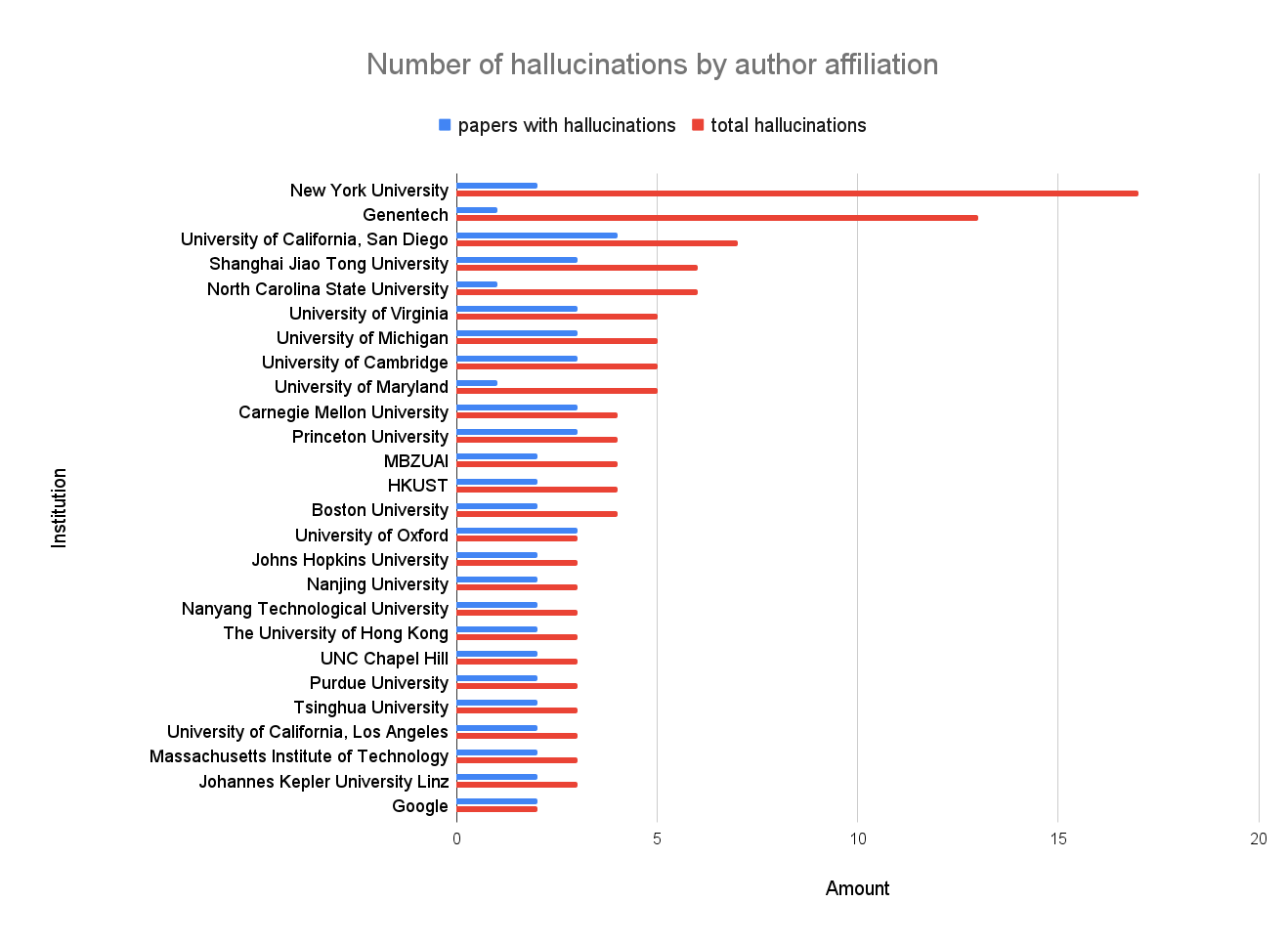
The GPTZero team has exposed a significant issue within the top conferences of AI research by utilizing their Hallucination Check tool to identify over 150 confirmed hallucinated citations across accepted papers at NeurIPS 2025 and submissions to ICLR 2026. This investigation detected instances of "vibe citing," a phenomenon where generative models fabricate references that structurally mimic valid academic metadata yet fail verification against real-world databases.
The sheer scale of these anomalies (found in papers that had already passed human peer review) shows a critical systemic failure driven by an AI-fueled submissions that has overwhelmed traditional oversight mechanisms.
Global AI computing capacity is exciting but not without its cost
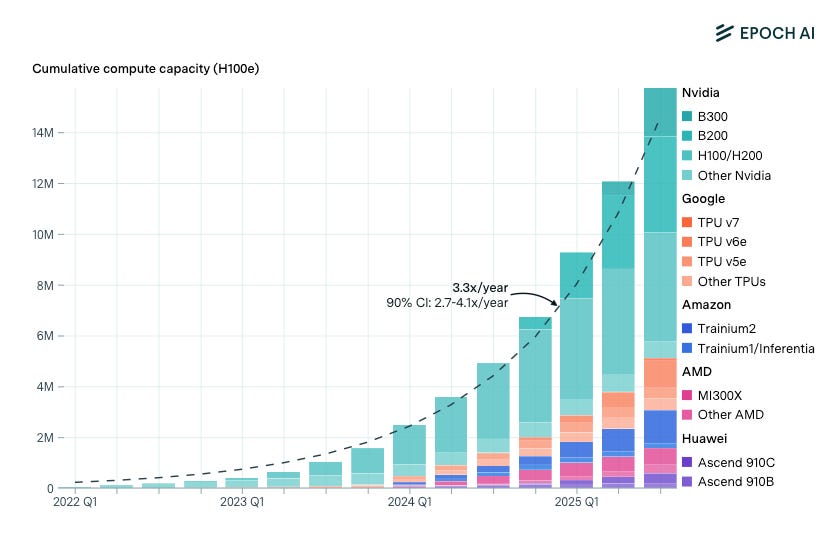
According to a new analysis by Epoch AI, global AI computing capacity has been doubling every 7 months since 2022, growing at an annual rate of approximately 3.3x. This explosive growth is largely driven by NVIDIA, whose chips currently account for over 60% of total available compute capacity, with Google (TPUs) and Amazon (Trainium/Inferentia) comprising the majority of the remaining market share.
While this rapid progress is impressive, it is also creating real-world constraints. The pace of growth is straining supply chains, especially memory availability, as data centers race to keep up with demand.
Database Development with AI in 2026
In a 2026 forecast, Brent Ozar argues that while SQL is stable enough for AI to write good code, AI won’t be taking over for DBAs managing messy, older systems anytime soon. Ozar sees a split in the industry: Data Engineers on new projects or reporting tasks will likely shift to simply overseeing AI agents. However, for DBAs handling critical, older infrastructure, the reality of poor documentation and confusing designs means AI cannot be trusted to work alone.
Read more: https://www.brentozar.com/archive/2026/01/database-development-with-ai-in-2026
Who Contributed to PostgreSQL Development in 2025?
Robert Haas published his annual blog post breaking down code contributions to PostgreSQL by principal author. In 2025, there were 266 people who were the principal author of at least one PostgreSQL commit. You can also find which committers did the most work to commit patches for which they themselves were not the principal author, and the people who sent at least 100 emails to pgsql-hackers in 2025.
In case you want to play with the raw data, he posted a dump on this Google site.
From the EDB Team
GPU acceleration for PostgreSQL
Earlier this month the team released PGPU, a PostgreSQL extension that can use NVIDIA GPUs with CUDA to accelerate certain operations in the database and/or to offload them from the CPU to the GPU: https://github.com/EnterpriseDB/pgpu
PostgreSQL Contributor Stories
In 2025 we started a program (“Developer U”) to help colleagues who show promise for PostgreSQL Development to become contributors. Because we love hearing people’s origin stories, we talked to several of the participants about their motivations, hopes, dreams, and patches.

This month we asked Mark Wong and Florin Irion about their experience. The Developer U program excites Mark, as an opportunity to get back into programming proper, on top of all the stuff he does in the community. For Florin the program brings structure to his contributions.
Until next time
We hope you enjoyed this edition of the EDB Engineering Newsletter! Consider joining Robert Haas’ PostgreSQL Hacker Mentoring Discord or the CloudNativePG Slack to get involved!
Also, from one of the long-time editors of this newsletter: https://scour.ing/@philedb
Scour is a news aggregator that let’s you follow particular categories. Phil’s feed unsurprisingly is subscribed to Postgres “stuff”.
The EDB Engineering Team
EDB colleague could confirm that GitHub is “OK”.